A mountain is a mountain. What makes a picture of one feel like a particular Tuesday in October is the light on it. When a landscape render comes back flat, the scenery is almost never the problem: the prompt spent forty words on the valley and none on what the sky was doing. Fix that and the same valley changes character.
Here is the way I think about it. Light has four dials. You do not need all four in every prompt, but if a render feels off, one of them is usually unset.
Dial one: where the light comes from
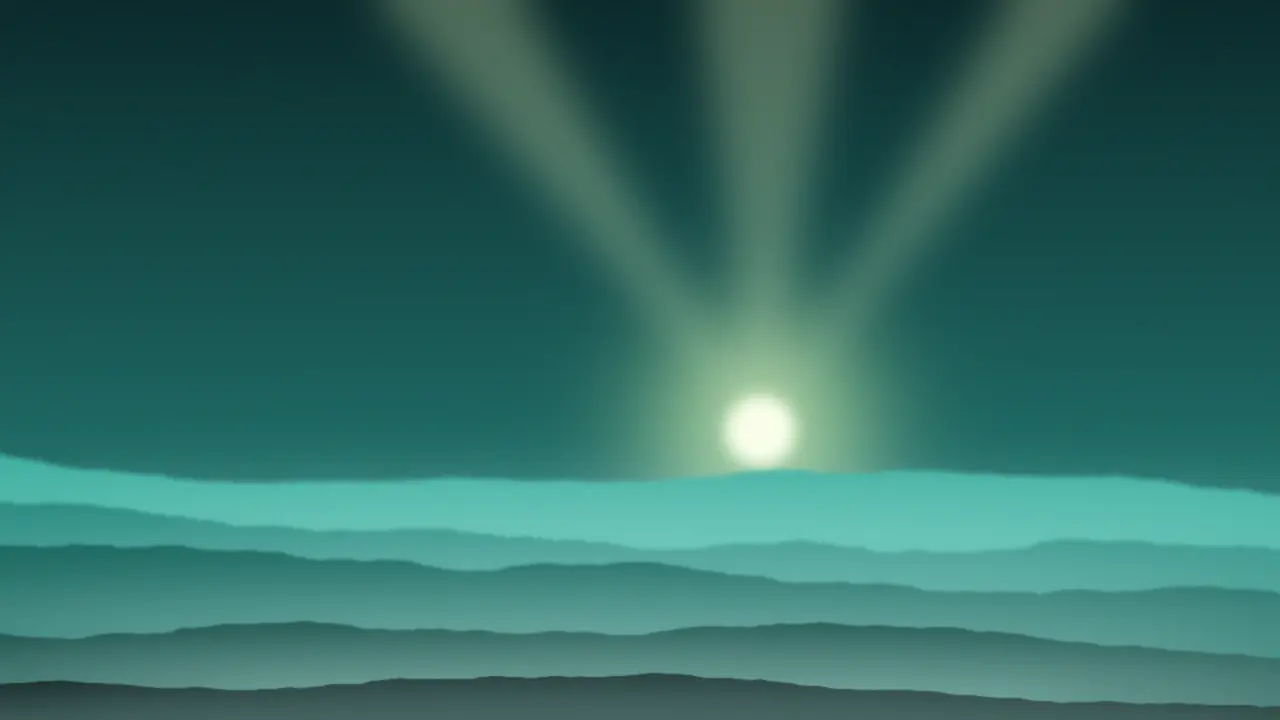
Name the source and its direction, not just its existence. "Sunlight" gives you a model's default, which is a bright, front-facing, slightly generic sun. "Low sun from the left, long shadows falling to the right" gives you modelling: ridges with a lit side and a dark side, texture in the grass, depth. Backlight is the quiet favourite for calm scenes, because a sun behind the subject rims every edge and lets the foreground fall into soft shadow.
Dial two: the hour
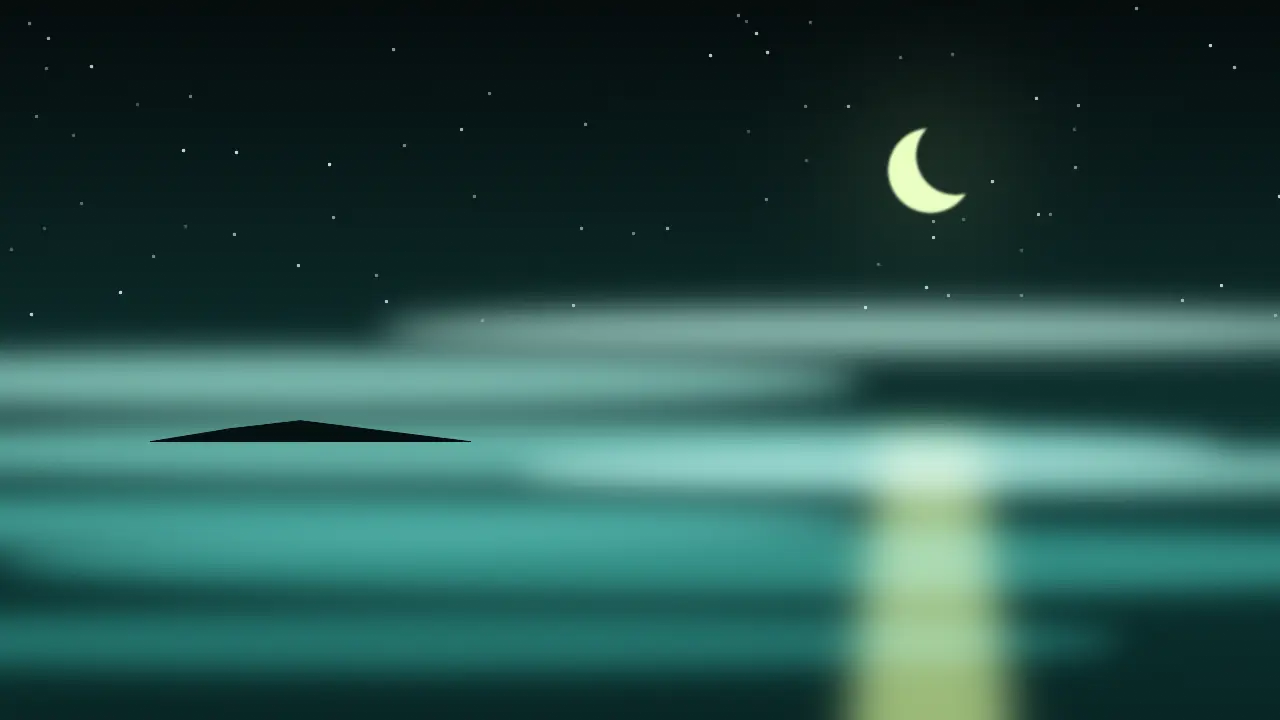
Hours work better than adjectives. "Golden hour" is well understood, but so is the less-used list: first light, the ten minutes after sunrise, high noon, late afternoon, blue hour, the last light on the highest peak. The blue hour in particular is underused. It is that stretch after sunset when the sky turns cold and even, and a few warm windows or a single lantern start to read as the brightest things in the world.
Dial three: what is in the air
Air is the part of the light you can see. Haze, mist, fog, dust, drizzle and thin high cloud all scatter light, and scattering is what gives a picture distance. Ask for "layers of mist between the ridges" and each ridge gets paler as it recedes, which is exactly the effect painters have used for centuries to make a flat canvas deep. If you want to read more about the words that do this work, the weather and sky glossary goes through them one at a time.
Dial four: the colour of the light
Warm light and cool shadow is the classic pairing and it is nearly always pleasant. Reverse it for strangeness: cold, blue light with one warm accent. Say it in plain terms ("cool teal shadows, pale gold highlights") rather than a colour code, and keep the palette short. Three named colours are a direction; seven are noise.
Three prompts to start from
A still mountain lake at first light, low sun behind the far shore, thin mist lying on the water, pine ridges fading into pale teal haze, long soft reflections, quiet, wide composition, no peopleA coastal road after rain at blue hour, even cool light from an overcast sky, wet asphalt reflecting one warm streetlamp, grey-green dunes, a low line of surf in the distance, calm and slightly lonelyA wide desert plateau in the last light of the day, low sun from the right, long blue shadows across red stone, a faint dust haze lifting off the ground, warm highlights and cool shadows, very large skyTest at low resolution, then commit
Light is the one thing you can judge from a thumbnail. Render small, pick the one whose mood is right, and only then spend on a larger version of the same prompt. The price shows on the Generate button before every render, so you always know what a step up costs.
Where this breaks
Models paint light, they do not calculate it. Ask for a low sun on the left and you will often get a sun on the left with a shadow that falls the wrong way, or two shadows that disagree. Most people never notice; a photographer or an architect will. If the direction matters, say it twice in different words ("sun from the left, shadows falling to the right"), look at the shadows before anything else, and re-roll rather than trying to argue a single stubborn image into shape.
When your scene is a building rather than a field, the next step is changing the light on a picture you already like, which is what relighting an architecture concept from dawn to night walks through. Or open the studio and try the lake prompt as it stands.
Questions
Do I need to name the camera or lens for a good landscape?
Not for light. Source, hour, air and colour do most of the work. A focal-length hint such as wide or telephoto only changes how compressed the layers look.
Why does my golden hour look orange and flat?
Usually the prompt has warmth but no direction or shadow colour. Add where the sun is and ask for cool shadows, and the orange gets something to push against.
Can I keep the same light across several images?
Reuse the exact same lighting sentence in every prompt and keep the rest short. Some models also have a seed field, which keeps the starting point constant while you change one word at a time.